Valuable Life Lessons Many Have Learned From Playing Poker

From the heated debates at the poker tables of Las Vegas to the virtual reality offerings found online, poker has and always will foster a competitive atmosphere on both serious and recreational levels. Some even go beyond and use marked cars, which you can read more about at www.fiz-x.com/what-you-need-to-know-about-marked-cards-in-2022/. Beyond that, however, one often overlooked benefit of playing this classic card game is what it teaches us about life.
In any situation – whether it be a career opportunity or even an interpersonal struggle – one must learn how to read their opponents’ reactions to make more educated decisions. So many have taken these same lessons from the poker table into everyday life and experienced immense positive results for doing so. So if you’re ready to gain unique insight with just your cards in hand, get comfortable at the table as we delve into all of the valuable life lessons many have learned from playing poker.
The Power of Patience
 One of the most important abilities anyone can possess is patience. While there may be moments at the poker table that call for quick decisions, those who have achieved success are often able to distinguish between when it’s best to act and when it’s better to bide your time. Knowing when to wait for more information or a better opening can help remove the emotion from your decision-making process, which is essential in both poker and life.
Taking Calculated Risks
On top of finding the sweet spot between patience and action, playing poker also teaches us the importance of taking calculated risks when the moment calls for it. Weighing out all possible scenarios to determine what will give you the highest chance of success is an invaluable skill in poker and one that can apply to almost any situation. From business deals to personal relationships, those who take calculated risks tend to come out on top in the long run.
Finding Your Unique Style
No two poker players are exactly alike, as everyone has their own unique style of play. When you discover what works best for you and own it, it can be a powerful tool at the tables. The same goes for life, as identifying and embracing your individual strengths is key to making sound decisions that are right for you. A professional poker player, Mario Ho, for example, said that she would take risks that another player may shy away from. While one person’s style might not work for everyone else, it can still be rewarding and successful.
The Game of Life
At the end of the day, poker is a microcosm of life itself. You are constantly interacting with others and making decisions based on your own individual circumstances. Learning the ins and outs of this classic card game can help unlock tremendous advantages in life, as many of the same principles apply to both realms. So if you are ready to gain insight that will give you an edge both around the table and beyond, look no further than poker.
In short, playing poker can teach us many valuable life lessons, such as the power of patience, taking calculated risks, and finding our unique style. Once you start to recognize how your decisions at the table can be applied in other situations, you’ll have a better chance of succeeding. Whether you are playing for fun or aiming to become a professional player, poker can offer priceless insight into life. So grab your cards and join in the game – the rewards are great.…
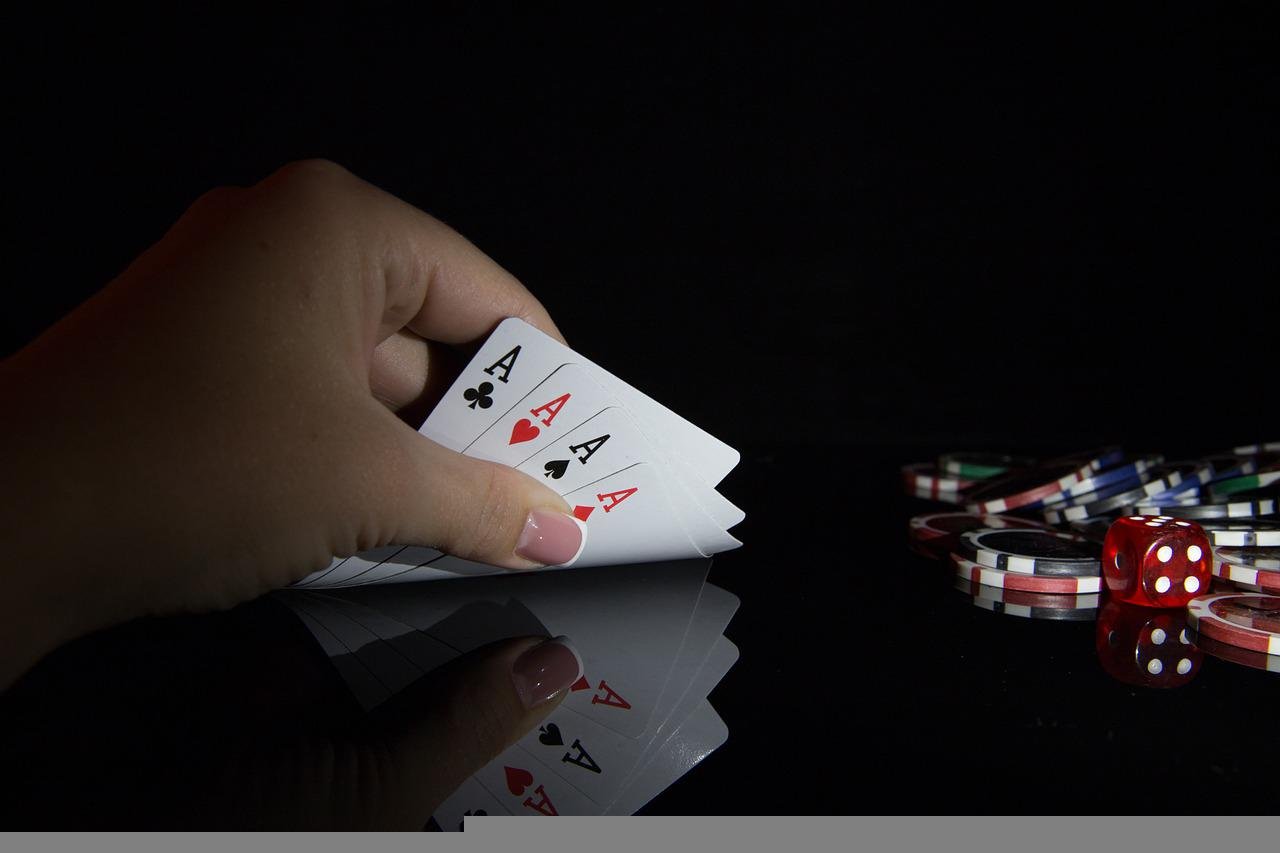
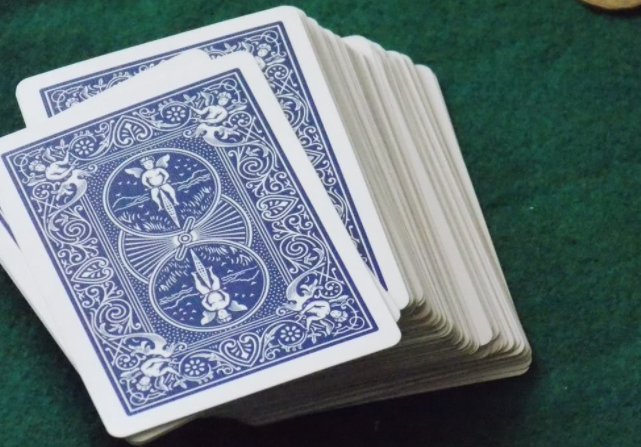
 The best way to win at poker is to deploy marked cards. This way, you’ll be able to tell what cards your opponents are holding and make better decisions. You can purchase marked cards from many online retailers or even create your own. Special marked cards used invisible ink to mark the back of cards. This way, only you can see the marks, and your opponents will be none the wiser. You can use any invisible ink, but we recommend using a UV marker.

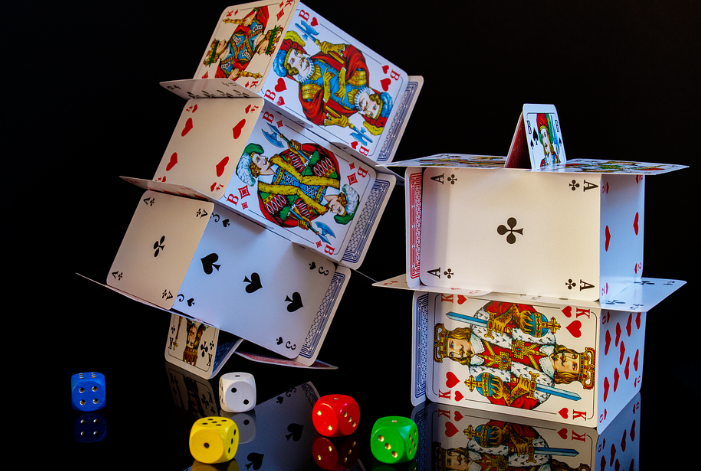 One of the simplest and most effective ways to cheat at poker is to mark your cards. This can be in several ways, but the most common is to use a pen or pencil to make minor marks on the back of the cards. These marks identify specific cards when they are dealt. It is a highly effective way to cheat, and if done correctly, it is challenging for other players to detect.
 Another way to cheat at poker is to collude with another player. It means that you and your friend work together to win more money. This can be in many ways, but the most common is for one player to signal what cards they have to their partner.
 If you are a poor poker player, it is essential to realize that cheating is not the answer. It may be fun among friends but not in tournaments. There are plenty of other games where you can attempt to gain an edge through dishonest means. In poker, however, this will not work for you. The best players in the world are in tournaments, and they are onto cheating players.
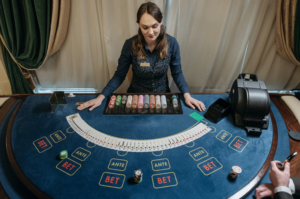 Gambling addicts will do whatever it takes to keep winning money. It often means cheating in poker games, as they see this as an easy way to make some extra cash without putting in the hard work. If you are playing against someone you suspect may have a gambling addiction, it is essential to look out for red flags. These may include excessive sweating, shaking, or talking rapidly. If you notice any of these behaviors in your opponent, it is best to take your money and leave the table.
 Some players are so bored with the game that they have to find some way to spice it up. Cheating in poker is one of the few ways an otherwise mediocre player can make things interesting at a table, even if nobody else notices what they have done wrong. The best thing you can do in this situation is to look for ways to keep your opponent entertained.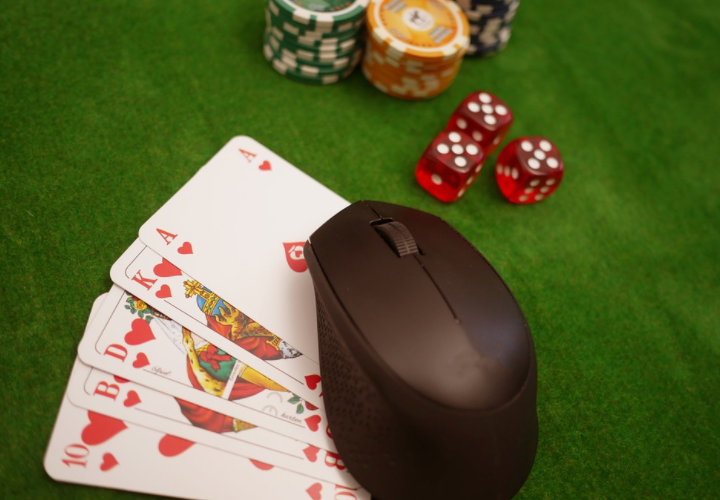
 Even pros understand the importance of starting with a lesser stake while playing. It’s essential if you’re playing a high-stakes game. Low stakes provide more options and opportunities to win in the long term.
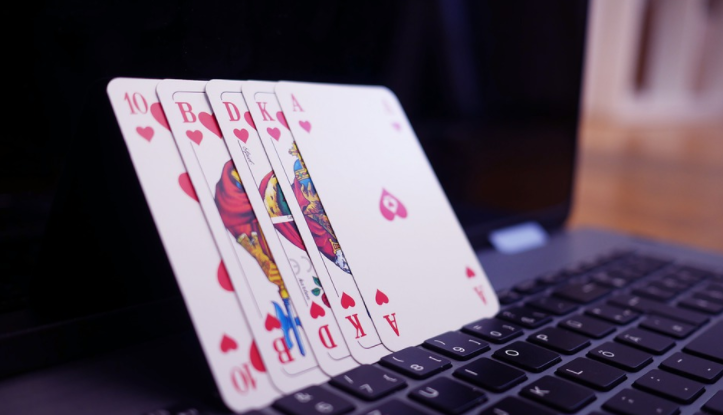 Online poker differs from live poker sessions in several ways. In-person games give the player a few moments to deliberate before making a decision.
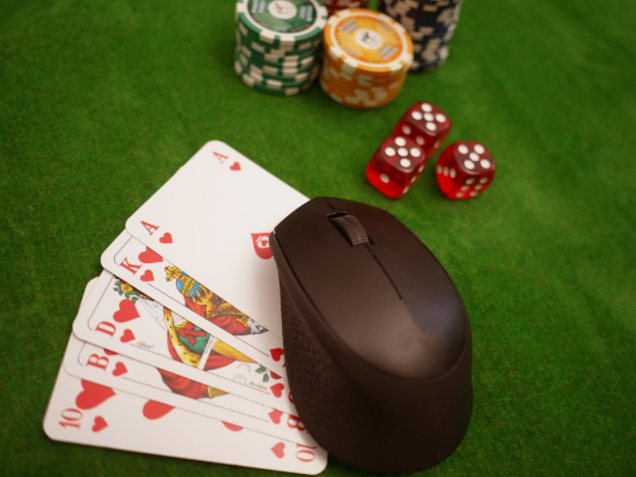
 At the beginning of a tournament, there are usually only two splits. These are very insignificant compared to the starting stacks. It’s not worth worrying about blinds if you’re off to a good start. Today there are many more blinds to count on. This means you have to raise more often before the flop, especially if you have a higher range in your starting stack. In the middle and later stages of the tournament, every snap counts greatly. Average accumulations range from 20 to 40 pot majors.